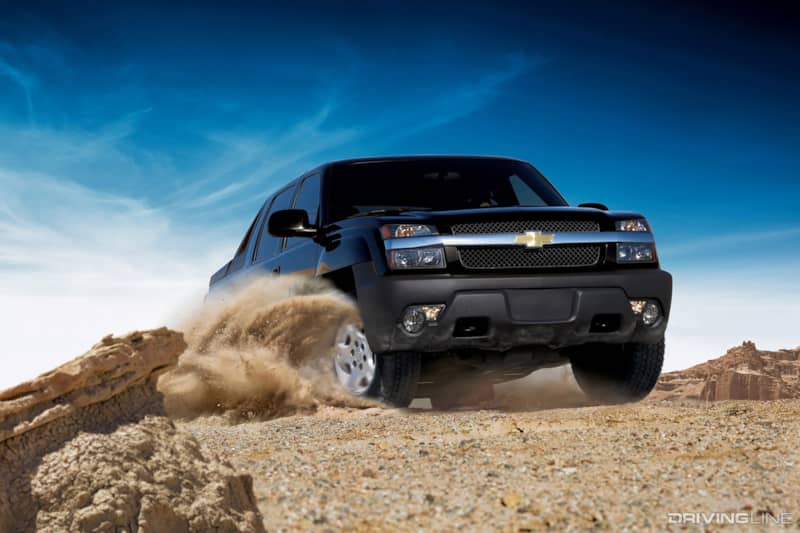
This site is all about the Chevy Avalanche and the world of off-roading. If you’ve ever seen an Avalanche rolling down the street,
you already know it has a certain look that makes people stop and stare. This website breaks down why the Avalanche is more than just a
big truck, it’s a whole vibe! From its bold design to it's crazy amount of flexibility, the Avalanche has earned a solid reputation among
drivers who want style, strength, and practicality in one package. Here, you’ll find info on what makes the Avalanche stand out, why
people still love it even though it’s no longer in production, and how it holds its own in off-road environments. Whether you’re new to
trucks or already part of truck culture, this site is built to give you a clear, easy-to-follow look at what the Avalanche brings to the table.
Throughout this site, you can explore how the Avalanche performs when the pavement ends, because this truck was built for more than
grocery store parking lots and day to day driving. You’ll learn what the Avalanche can do on mud trails, dirt roads, and rocky paths, along with safety tips
for hitting the outdoors responsibly. Off-roading can be exciting, but it also takes skill, planning, and respect for both the vehicle
and the environment. This site will walk you through the basics while keeping things real and easy to understand. My goal is to make this
a place where people can learn something new without needing a garage full of experience. Use the navigation at the top of the page to hop
around and check out each section. Thanks for stopping by, now let’s drift into what makes the Avalanche such an underrated
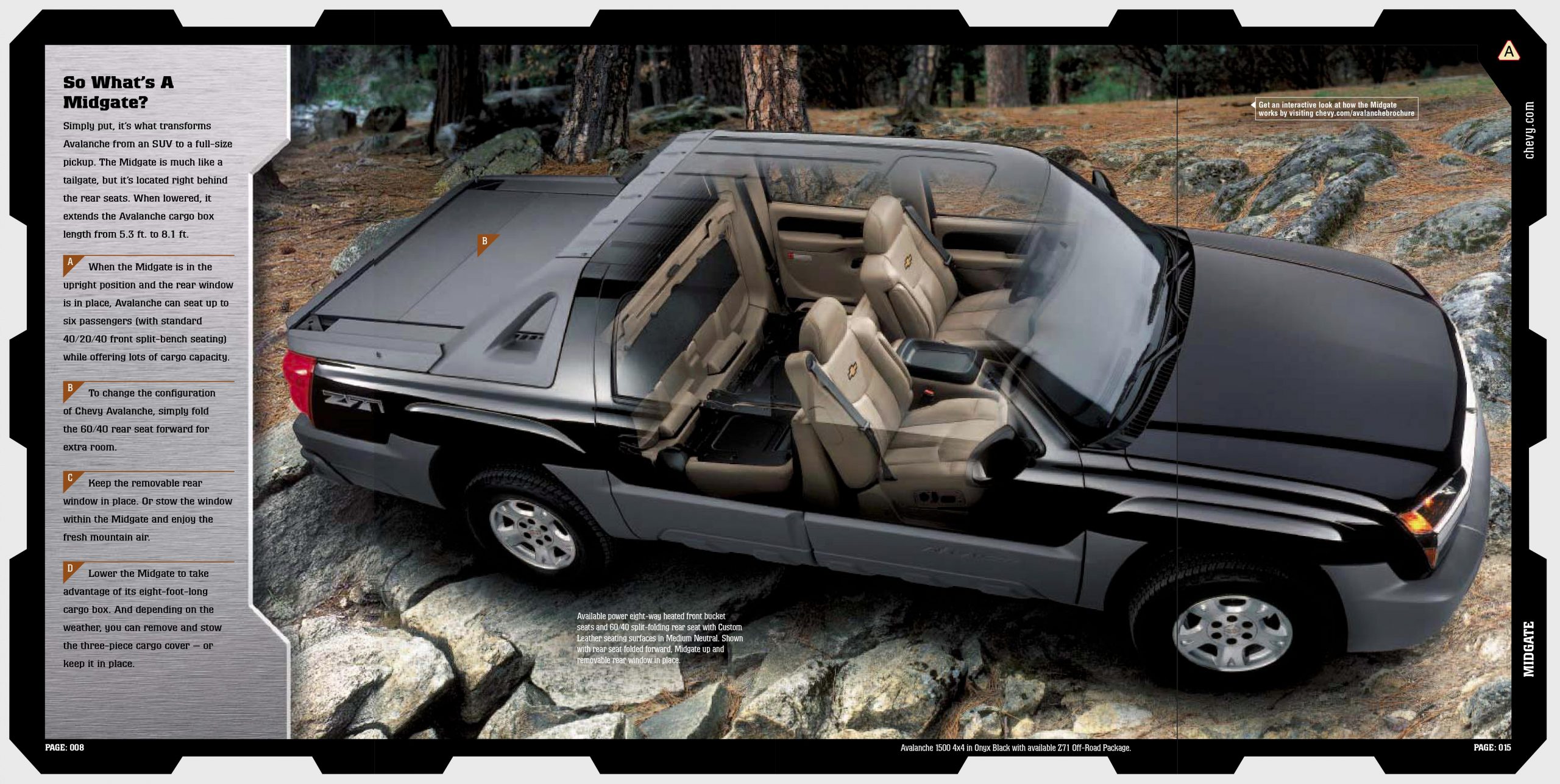
The Chevy Avalanche is most notable for its midgate design which is a clever system that permits the
cabin and bed to combine into one extended cargo area. With the midgate open and the rear
seats folded forward, the Avalanche can carry long items that would not normally fit in a
standard pickup bed, making it uniquely useful for weekend projects, transporting bikes, or
hauling lumber for outdoor builds. Under the skin, the Avalanche borrows platform and suspension
strengths from GM’s full-size SUV line, resulting in a ride quality that often feels more
composed on long drives than conventional pickups. Storage compartments built into the bed
walls and lockable access points increase utility while keeping gear secure.
From a drivetrain perspective, many Avalanche trim levels offer robust towing capability and
full-time or part-time four-wheel-drive options. The truck’s engineering balances payload
demands and passenger comfort, which makes it appealing to drivers who want a “do-it-all”
vehicle. For off-road applications, the Avalanche’s ground clearance, durable frame, and
available 4x4 systems allow capable trail performance — especially when paired with
aftermarket tires and underbody protection. The next page goes deeper into off-road
modifications and real-world trail performance for Avalanche owners.
The Mods
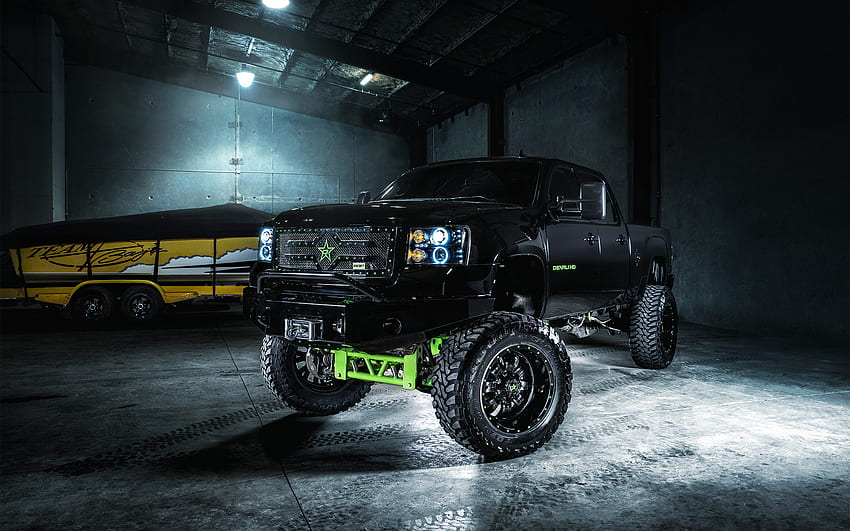
Turning an Avalanche into an off-road capable machine typically begins with tires, suspension, and protective elements. A set of all-terrain or mud-terrain tires improves traction on loose
surfaces, while modest suspension lifts or progressive springs increase articulation and ground
clearance. Skid plates protect vital components such as the oil pan and transfer case, and a
heavy-duty front bumper with winch mounting points adds recovery capability for real trail use.
For many owners, upgrading to locking differentials or limited slip setups is a practical step
to confidently tackle steep or slippery sections. Engine Tuning / ECU Flashing: A performance tuner
or flash programmer can optimize things like fuel mixture, ignition timing, and torque curves. This
is a foundational mod because other performance parts (intake, exhaust, etc.) usually need a proper
tune to get the most out of them.
Many people disable GM’s Active Fuel Management (AFM) (also called “Displacement On Demand”), which
deactivates cylinders under light load. Disabling AFM can improve durability (especially lifters) and
make the engine more consistent under load/off-road driving.
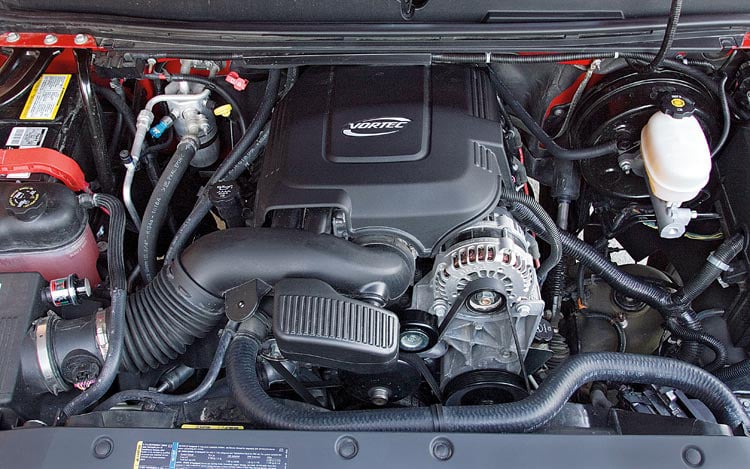
Cold-Air Intake / High-Flow Intake:
Upgrading your intake to a cold-air or high-flow unit helps the engine “breathe” better, which is
one of the simplest and most effective mods for added power. Throttle Body Upgrade:
A larger or more efficient throttle body lets more air in and improves throttle response. Useful when
combined with a good intake.
Exhaust & Headers:
Better headers (especially long-tube) help with exhaust scavenging, which improves mid- and top-end power.
A performance cat-back exhaust system lowers back-pressure and improves flow, enhancing horsepower and torque.
Camshaft & Valvetrain:
Upgrading the camshaft, springs, and related valve-train parts can yield more significant power gains, especially
if you're building a “big” off-road engine. Chevrolet GMC Trucks:
If you increase power significantly (or plan forced induction), upgrading internal components (e.g., pistons) may
be necessary.
Induction:
Supercharging or turbocharging the 5.3 Vortec is a very effective way to boost power.
Keep in mind: big power + off-road = more stress, so plan for supporting mods (cooling, fuel, etc.).
Cooling / Reliability Mods:
Upgrading your cooling system (radiator, oil cooler) helps keep the engine safe under strenuous off-road conditions.
Also consider upgrading alternator, battery, and electrical system to support accessories (lights, winches, etc.)
if you’re building for serious off-road. Wiring for auxiliary lighting and secure cargo systems also turns a stock Avalanche
from a basic touring truck to a true off-roading BEAST without sacrificing
the truck’s original daily-driver comfort.
Motion: Off-Road Demonstration
The Beast
Responsible off-roading keeps trails open and protects natural resources. Before you go, check
local trail regulations and ensure your vehicle is registered where required. Leave no trace:
pack out trash, avoid widening the trail, and follow posted signs that protect sensitive areas.
Travel in groups when possible and carry recovery gear; a rated tow strap, D-shackles, a shovel,
and a winch are basics. Communicate with your group using radios and plan a contingency route in
case the primary trail is impassable. Keep your speed appropriate for the trail and watch for
wildlife and other users, including hikers and mountain bikers.
Recovery training is equally critical: know how to use snatch straps, winches, and cradles safely,
and never attempt a recovery without eye protection and clear, agreed signals. A first aid kit,
water, and extra food are required for remote trips where help might be hours away. Finally,
ensure your vehicle maintenance is current, that means brakes, steering, drivetrain fluids and tire
condition all matter when you’re far from paved roads. Practicing safe habits keeps both people
and landscapes safer for everyone.
Ride Out!
When it's time to hit the trails or the road, I love to have a good playlist to keep the energy up.
One of my favorite songs to get the adrenaline pumping is "Aint That Some" by Morgan Wallen. It really
captures the spirit of adventure and the open road. You should give it a listen, I left the audio clip
below for you to check out! Enjoy the ride!
Contact
Elements
Text
This is bold and this is strong. This is italic and this is emphasized.
This is superscript text and this is subscript text.
This is underlined and this is code: for (;;) { ... }. Finally, this is a link.
Heading Level 2
Heading Level 3
Heading Level 4
Heading Level 5
Heading Level 6
Blockquote
Fringilla nisl. Donec accumsan interdum nisi, quis tincidunt felis sagittis eget tempus euismod. Vestibulum ante ipsum primis in faucibus vestibulum. Blandit adipiscing eu felis iaculis volutpat ac adipiscing accumsan faucibus. Vestibulum ante ipsum primis in faucibus lorem ipsum dolor sit amet nullam adipiscing eu felis.
Preformatted
i = 0;

while (!deck.isInOrder()) {
    print 'Iteration ' + i;
    deck.shuffle();
    i++;
}

print 'It took ' + i + ' iterations to sort the deck.';